
I Lost It Again This Morning (And Why That’s Part of the Process)
Dec 19, 2025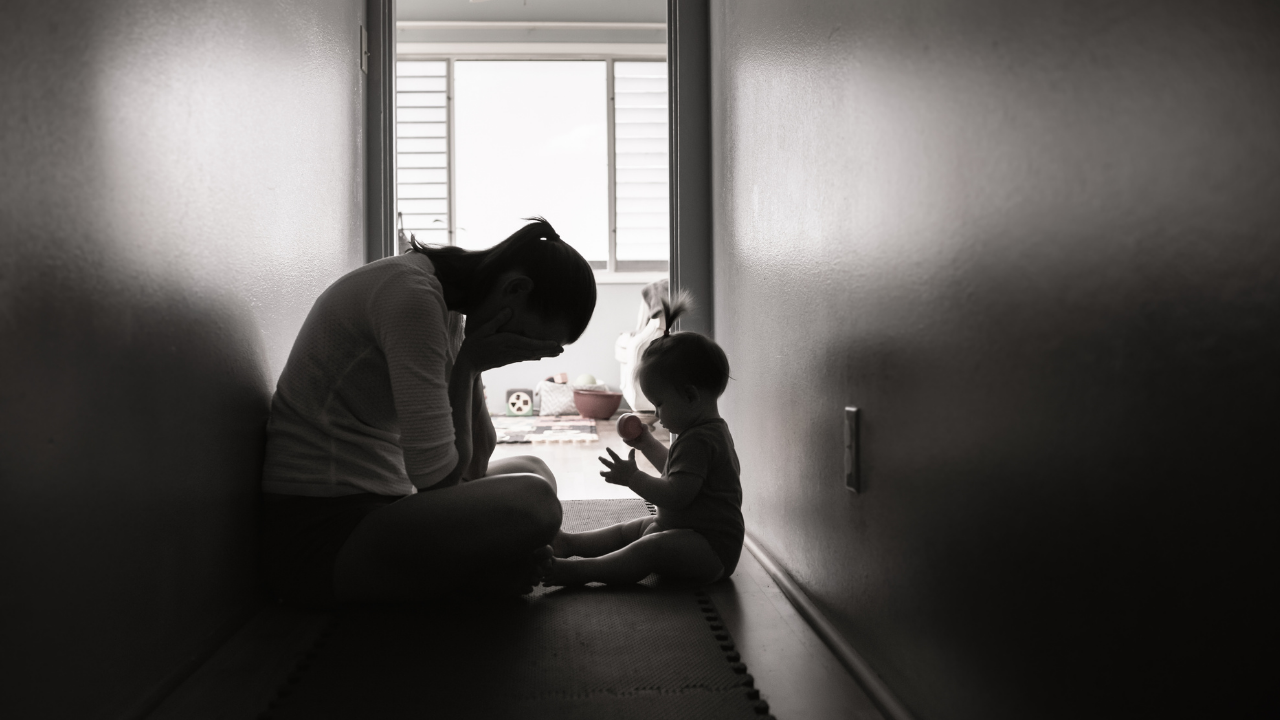
I woke up emotional as hell this morning.
Again.
Yesterday, emotional.
Today, emotional.
And as I write this, I still feel it sitting heavy in my body.
Last night, I lost it with my son. He wasn’t listening, and I snapped. I refused to read him a book, put him to bed, and walked away upset — flooded with frustration and emotion. I reacted instead of responding.
This morning, with a pit in my stomach, I felt the strongest urge in my body to apologize to him. Not because I’m a bad mom, but because I want him to know that he matters and it's okay to say i'm sorry.
When I spoke to him, I told him that I’m working on my emotions too — just like we talk about in his emotions book. He looked at me and said, “Mami, it’s okay. We will be better.”
That moment stayed with me.
Growing up, my parents rarely apologized when they were wrong. And I want my children to know something different:
-
That we all make mistakes, even adults
-
That feelings are real and responsibility matters
-
That love includes talking about things that make us uncomfortable sometimes
-
And that repair is part of connection
Because here’s the truth no one says clearly enough:
You are going to forget to use the tools you’ve learned, especially in the moments you need them most.
You Will Forget (And That’s Normal)

You’ve read the books.
You’ve learned the breathing techniques.
You know you’re “supposed to” pause, regulate, and respond with compassion.
And then you snap anyway.
You raise your voice.
You shut down.
You react.
And afterward, the guilt and self-criticism creep in,
I knew better. I should’ve handled that differently.
But here’s what matters most:
Forgetting doesn’t mean you aren’t learning.
In Buddhist tradition, there’s a concept called Mara — the inner force of distraction, doubt, and overwhelm that pulls us away from clarity and center. Even the Buddha encountered Mara repeatedly throughout his life. Not once. Again and again.
This isn’t something you master and never struggle with again.
You practice.
You forget.
You remember.
You practice again.
When that happens, it doesn’t mean you suck or that you’re a bad person.
It means you’re human.
Responsibility, Repair, and Apologizing

After I woke up this morning feeling off, something became very clear to me:
I needed to apologize to my son.
Not to relieve my guilt.
Not to make myself feel better.
But because my emotions are my responsibility.
It’s not okay to be mean to others just because we can’t handle our own emotions.
Other people — especially our children — are not our emotional punching bags.
Apologizing teaches our children something powerful:
-
Adults make mistakes too
-
Big feelings don’t excuse hurtful behavior
-
Love includes honest, sometimes uncomfortable conversations
-
Repair is possible after hard moments
When you apologize, you’re not showing weakness.
You’re modeling emotional maturity.
You’re teaching your child that when we mess up, we take responsibility, we talk about it, and we try again.
If you’re realizing there’s more happening beneath your reactions and you want help naming it, I created a free guide called Name the Noise Within. It’s the first step in building awareness — without judgment.
The More You Practice, the Stronger It Gets

Tools like breathing, pausing, and regulating aren’t meant to make you perfect.
They’re meant to be practiced — in real life, on hard days, when things don’t go according to plan.
Think of it like building strength. At first, your nervous system reacts fast. Your emotions are loud. You forget.
But every time you remember — even after you’ve already reacted — you’re building capacity.
Over time:
-
You notice yourself sooner
-
You pause more often
-
You respond with more intention
Progress doesn’t look like never losing it.
Progress looks like shorter recovery times, deeper awareness, and more willingness to repair.
This is how change actually happens.
Give Yourself Grace

You’re going to forget.
You’re going to snap.
You’re going to have days where it feels like nothing is sticking.
And that doesn’t erase your growth.
The fact that you recognize you lost it — that’s awareness.
The fact that you feel the urge to repair — that’s growth.
The fact that you’re here, reflecting — that matters.
You’re building capacity.
You’re making room for growth.
And this takes time.
Grace doesn’t mean excusing behavior.
It means staying present, taking responsibility, and continuing to practice — even when it’s uncomfortable.
What to Do When You Forget

When you’ve lost it and you’re in the aftermath, here’s what helps:
1. Acknowledge what happened
“I reacted.”
“I raised my voice.”
Name it honestly, without shame.
2. Apologize — to your child and to yourself
“I’m sorry I yelled. That wasn’t okay.”
“I’m sorry, body. I didn’t listen.”
3. Repair the connection
A hug.
Eye contact.
A slow breath.
4. Reflect
If it feels supportive, here’s one practice I use:
Write down all the heavy, uncomfortable emotions — then rip the paper up or burn it safely. Afterward, write how you feel now. Then write to yourself as if your best friend were speaking to you.
Slow inhale.
Long exhale.
5. Begin again
The next moment is a new moment.
You always get to start over.
This is the work..
I woke up emotional as hell today.
I lost it with my son.
And I’m writing this to remind you — and myself:
We are all doing this imperfectly.
The tools work.
And we will forget to use them.
When that happens, it doesn’t mean you suck or that you’re a bad person.
It means you’re human.
Recognize.
Take responsibility.
Talk about the uncomfortable things.
Repair.
Begin again.
That is the work.
Ready for Your Next Move?
One conversation can change everything.
You've been living in your head long enough. The Centered Clarity Call is a conversation. A moment to pause, say it out loud, and have someone really listen. No obligation. Come as you are.
